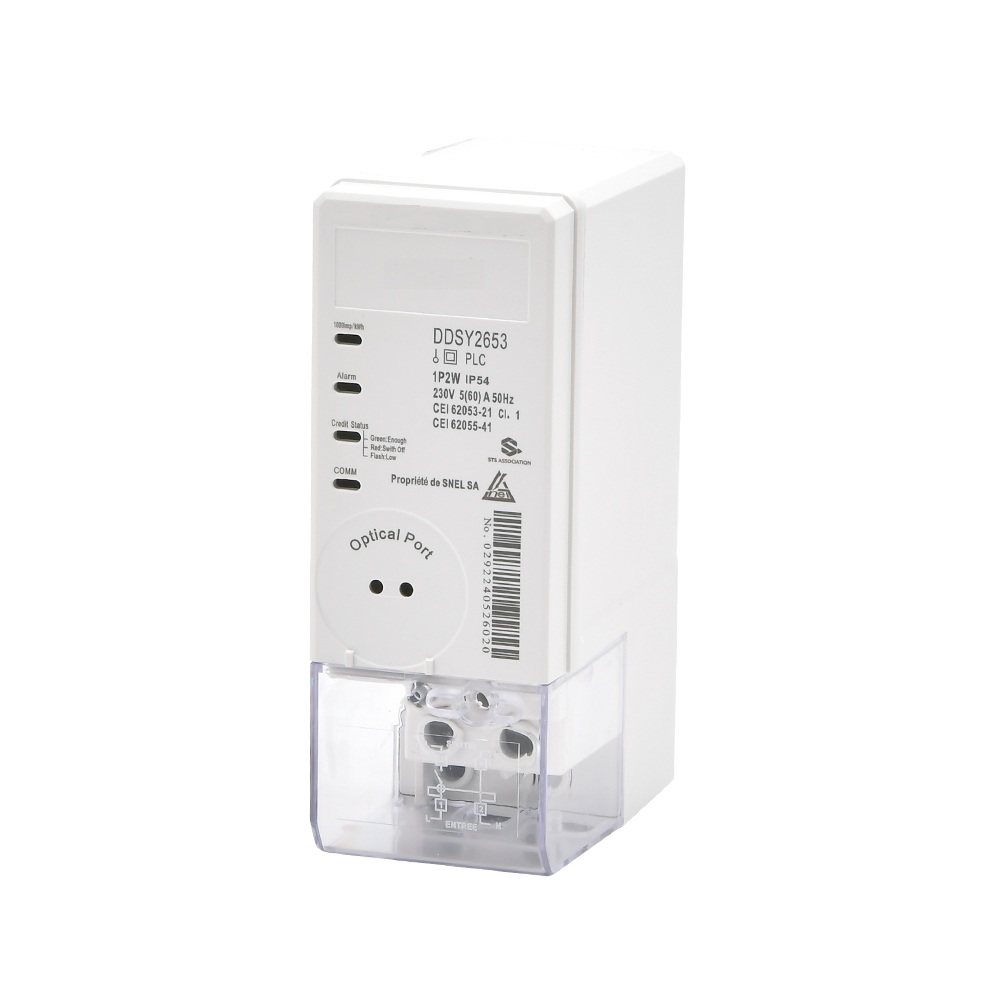
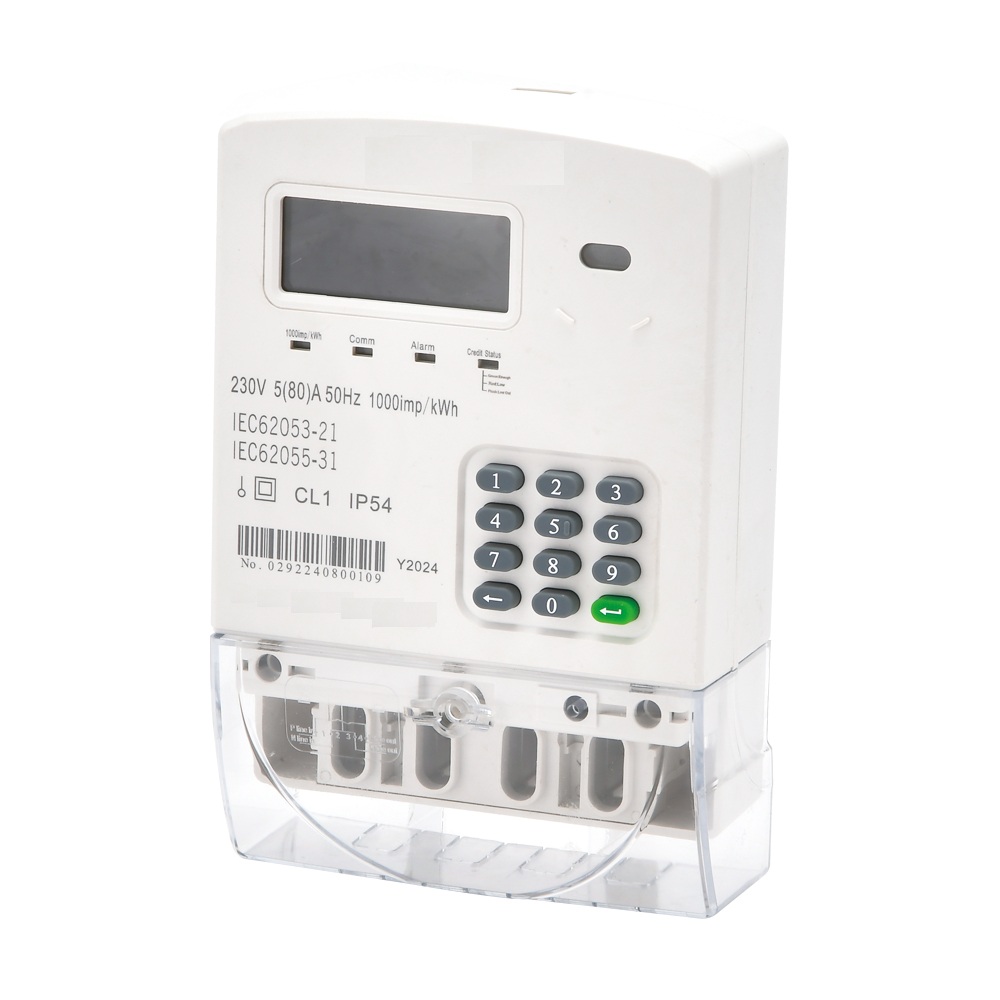
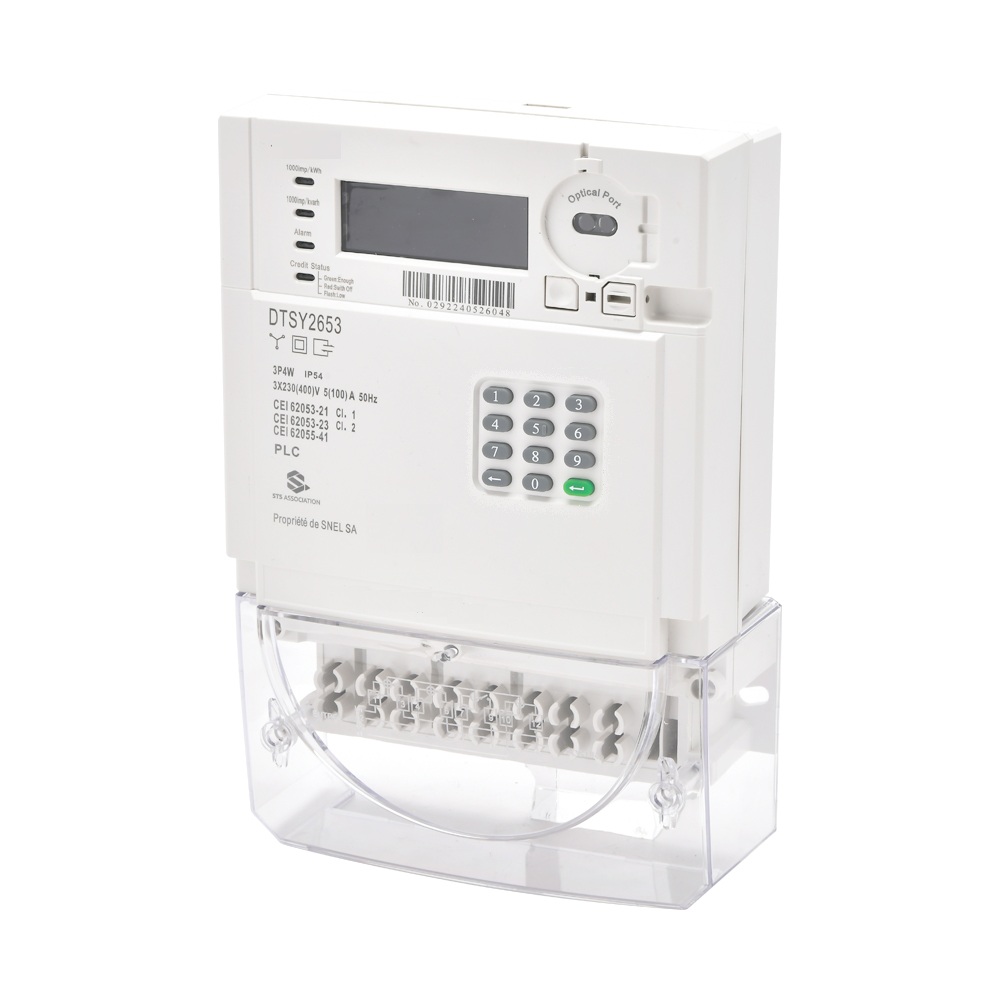
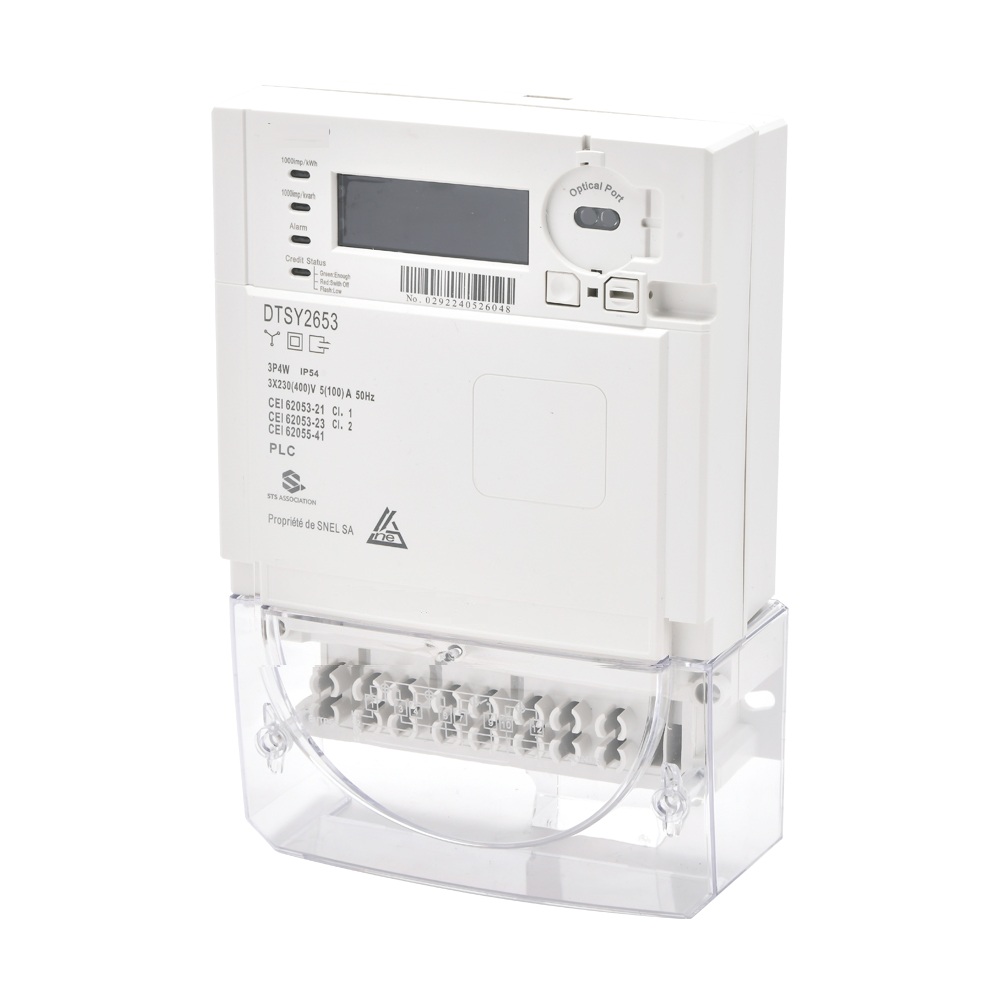
What is a multi rate smart meter? How to choose a multi rate electricity meter?
Publish Time: Author: Site Editor Visit: 449
In daily life, many people may find that the electricity prices on their bills are sometimes high and sometimes low, which hides the "figure" of multi rate smart meters. Simply put, a multi rate smart meter is an "intelligent electricity calculator" that can divide electricity prices according to different time periods and automatically calculate electricity fees. It breaks the traditional "fixed price" billing model of electricity meters, such as installing a "time period meter" for electricity consumption, making electricity fee calculations more in line with the actual situation of peak and off peak electricity consumption.
Its core functions mainly include three points: firstly, accurate measurement of multiple time periods, which can automatically distinguish between different time periods such as peak, peak, flat, and low periods (for example, in most areas, the low period is from 22:00 to 8:00 the next day, and the high period is from 10:00-14:00 and 18:00-22:00), and the electricity consumption of each time period is separately counted; The second is automatic fee calculation and data storage, without the need for manual meter reading. The electricity meter will automatically calculate the electricity fee for each period based on the preset electricity price, and can also store multiple months of electricity consumption data for easy query; The third is remote communication and monitoring. Through IoT technology, the power department can remotely read data, and users can also view real-time electricity usage through an app to adjust their electricity habits in a timely manner.
When choosing a multi rate electricity meter, it is necessary to consider the following dimensions based on actual needs:
First, let's look at the usage scenario. If it is a household user, priority should be given to the "residential version" electricity meter, which usually pre-set the peak and valley periods of local residents' electricity consumption, is easy to operate, and supports checking electricity through a mobile app; If you are a commercial user such as a shop or factory, you need to choose the "commercial version", which supports custom time periods (such as factories adjusting peak hours according to production shifts), and has larger current specifications (such as 100A or more) to meet the power demand of high-power equipment. For example, if a clothing factory needs to produce 24 hours a day, choosing an electricity meter that supports the "valley extension" function can enjoy lower electricity prices during early morning use, saving nearly 3000 yuan in electricity bills per month.
Secondly, pay attention to measurement accuracy. According to national standards, the accuracy of residential electricity meters needs to reach level 2 (with an error of no more than ± 2%), and industrial and commercial electricity meters need to reach level 1 (with an error of no more than ± 1%). When making a purchase, you can check the "Accuracy Level" label on the meter nameplate to avoid artificially high electricity bills due to insufficient accuracy. For example, a convenience store once used an inaccurate electricity meter and paid over 800 yuan in electricity bills within six months. After replacing it with a compliant level 1 accuracy meter, electricity bills returned to normal.
Finally, consider compatibility. It is necessary to confirm whether the electricity meter supports the communication protocol of the local power system (such as State Grid's "DL/T 645" protocol) to avoid problems such as data upload failure and remote control failure. At the same time, household users can prioritize electricity meters with USB interfaces or Bluetooth functions for easy local data export; Industrial and commercial users need to choose models that support RS485 interface for easy access to enterprise power monitoring systems.
In short, multi rate smart meters are not only "billing tools", but also "good helpers" to help users save electricity costs and improve electricity efficiency. Only by selecting the right type based on the usage scenario, identifying accuracy standards, and ensuring compatibility and adaptation, can the electricity meter truly realize its value.